How to Photograph Shy, Difficult, or Anxious Pets
There is an old adage in show business: never work with animals or children. In photography, the sentiment rings equally true. Pets don't take direction, the...
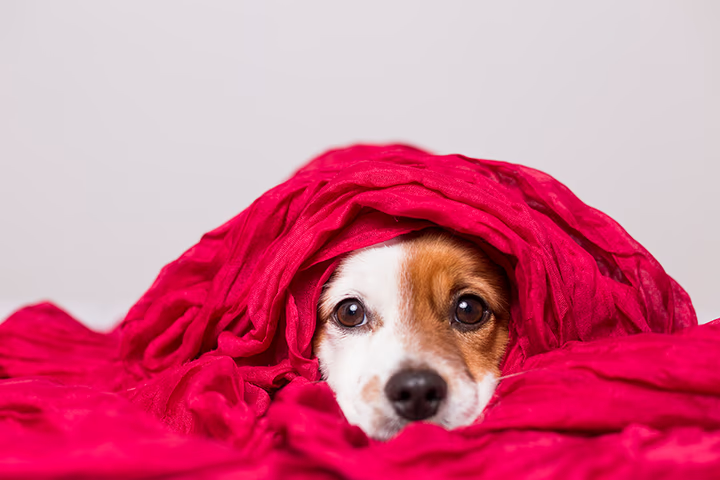
There is an old adage in show business: never work with animals or children. In photography, the sentiment rings equally true. Pets don't take direction, they won't hold a pose, and a shy or anxious animal compounds every challenge. But with patience, the right environment, and a few proven strategies, you can capture beautiful, natural portraits of even the most reluctant animal subjects.
The two most important factors for success are creating a safe environment and building genuine trust. Get those two things right, and the camera work becomes far more straightforward.
Create a Safe and Familiar Environment
Shoot in the pet's home whenever possible. Familiar smells, sounds, and spaces are the single most effective way to reduce an anxious pet's stress level. A nervous dog that would pace and pant in a studio may settle comfortably on its own bed within minutes.
Identify the pet's safety spots. Before you set up your camera, spend a few minutes observing where the animal gravitates naturally — under a table, on a specific rug, in a favorite chair. Position your shooting angle toward those spots. The pet will return to them repeatedly, giving you natural, relaxed frames.
Minimize your own intrusion. Avoid strong perfumes or colognes. Speak quietly and calmly. Move slowly and deliberately. Sudden movements, loud sounds, and unfamiliar scents are among the most common triggers for pet anxiety.
Stay low. Looming over an animal — especially a small or shy one — is inherently threatening. Crouch, sit, or lie on the floor to bring yourself to the pet's eye level. This posture signals that you are not a threat and makes the animal far more likely to approach you.
Build Trust Before You Shoot
Let the pet come to you. Resist the urge to approach the animal immediately. Sit quietly in the room, let the pet sniff your gear, and allow them to investigate at their own pace. Forcing interaction too early destroys trust and makes the rest of the session harder.
Use treats strategically. High-value treats — small pieces of chicken, cheese, or a favorite commercial treat — are your most powerful tool for directing attention and rewarding calm behavior. Hold a treat just above your lens to capture the pet looking directly at the camera. Reward any approach, any relaxed posture, and any moment of eye contact.
Work with the owner. The pet's owner is your greatest asset. Have them sit or kneel nearby to provide reassurance. A dog that is anxious around strangers will often relax immediately when their owner is present and calm.
Be patient and go slowly. Some sessions take 20 minutes to warm up before a single usable frame is captured. That is completely normal. Rushing an anxious animal produces stressed, unflattering images. The best pet portraits come from photographers who are willing to wait.
Camera Settings for Shy and Anxious Pets
Use a telephoto lens. A 70-200mm or 85mm lens allows you to fill the frame from a greater distance, reducing the physical intrusion of the camera on the animal's personal space. A nervous cat that would flee from a camera six inches from its face may hold still for a camera ten feet away.
Shoot silently. Enable your camera's electronic shutter or silent shooting mode if available. The click of a mechanical shutter can startle a nervous animal and undo minutes of careful trust-building.
Use a fast shutter speed. Even a relaxed pet moves suddenly. Keep your shutter speed at 1/500s or faster to freeze unexpected movements and ensure sharp eyes.
Avoid flash. Direct flash startles animals and produces harsh, unflattering light. Use natural window light, continuous LED panels positioned to the side, or shoot outdoors in open shade.
Shoot in burst mode. Pets blink, twitch, and look away constantly. Continuous high-speed shooting ensures you capture the peak moment — the direct gaze, the relaxed expression, the perfectly timed yawn.
Practical Tips for the Session
- Keep sessions short. Thirty to forty-five minutes is usually the maximum before an anxious pet becomes overstimulated. End on a positive note, with the pet relaxed and rewarded.
- Capture the pet's personality, not a perfect pose. A shy cat peering cautiously around a doorframe is a far more compelling portrait than a forced, rigid sit-stay.
- Photograph at the pet's eye level. Shooting from above produces images that feel distant and impersonal. Getting down to the animal's level creates intimacy and connection.
- Work with the light, not against it. Position the pet near a window and let natural light do the work. Soft, directional window light is the most flattering for animal fur, eyes, and skin.
- Celebrate small wins. If the pet looks at the camera once, that is a success. If they hold still for three seconds, that is a success. Build on each small positive interaction rather than pushing for more.
Final Thoughts
Photographing shy or anxious pets is fundamentally about relationship, not technique. The camera settings matter, but they are secondary to the trust you build with the animal in the minutes before you press the shutter. Slow down, get low, let the pet lead, and be ready when the moment arrives.
FAQ
How do I get a shy cat to look at the camera? Use a crinkly treat bag, a feather wand, or a small squeaky toy held just above your lens. Cats are naturally curious — a novel sound or movement will often draw their gaze directly to the camera for a brief, perfect moment.
Should I use treats throughout the entire shoot? Yes, but use them strategically. Reward calm behavior, direct eye contact, and any approach toward the camera. Avoid overfeeding, which can cause the pet to lose interest in the treats as a reward.
What if the pet refuses to cooperate at all? End the session and reschedule. Forcing an unwilling or highly stressed animal produces poor images and damages the trust you will need for future sessions. A short, positive session on another day is always more productive than a long, stressful one.
Continue reading
How to Fix Bad Lighting in Photos on iPhone, Lightroom, and Photoshop
May 24, 2026
99 Most Inspirational Photography Quotes
September 25, 2026
A Day by Boat: How to Dress, What to Bring, and Why It's the Ultimate Summer Experience ⛵️
May 24, 2026
13 Unique Father's Day Gifts That Go Way Beyond the Usual Mug
May 24, 2026
42 Free Photography Books to Download (PDF + eBooks)
May 24, 2026
12 Grandparent-and-Grandchild Photo Poses
May 24, 2026
123 Types of Photography to Try
September 25, 2026
27 Flattering Portrait Poses
September 25, 2026
14 Best Stock Photography Sites
September 25, 2026
AI-Generated Mockups Are Going Viral — But Are They Good for Fashion Brands?
May 24, 2026
How to Format an SD Card on a Mac
May 24, 2026
The 4 Best Ways to Digitize Old Photos (and How to Store Them)
May 24, 2026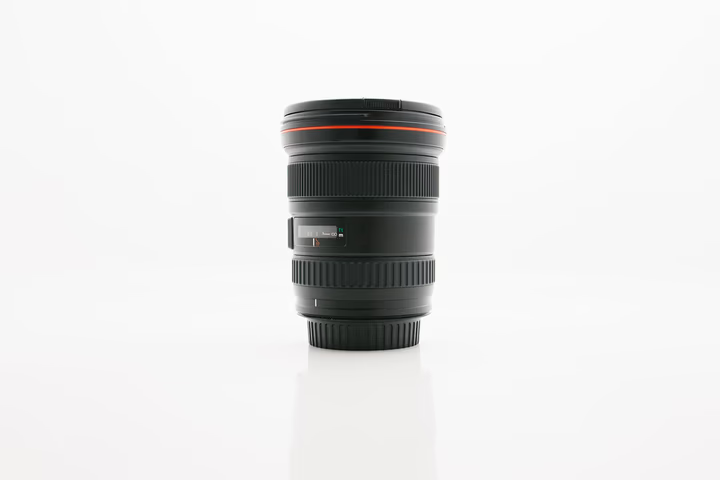
How to Shoot During Golden Hour: Lighting Guide
May 24, 2026
Every Chic Londoner Is Wearing One of These 5 Summer Heatwave Staples This Weekend
May 25, 2026
6 Chic Sandal Trends That Will Give Your Summer Shoe Collection Some Personality
May 24, 2026